The fundamentals that make a Connecticut lawn thick enough to crowd weeds out on its own — watering, mowing, soil, aeration, and seeding done right. Guides from Pro Turf's licensed team.
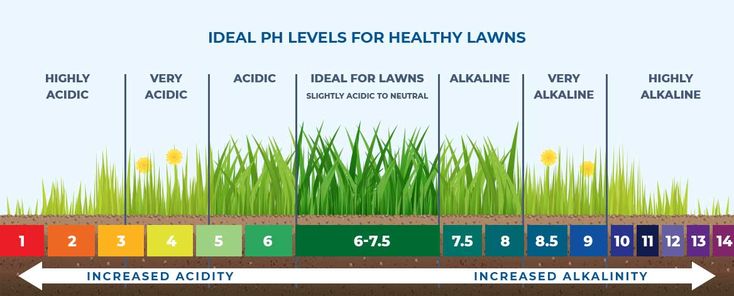
Most Connecticut lawns sit too acidic for good grass. How lawn soil pH affects fertilizer, how to test it properly, and when lime actually helps.
A thin scattering of leaves can be mowed into a lawn. A packed wet layer does real damage. How to tell the difference, and when to clear instead of mulch.
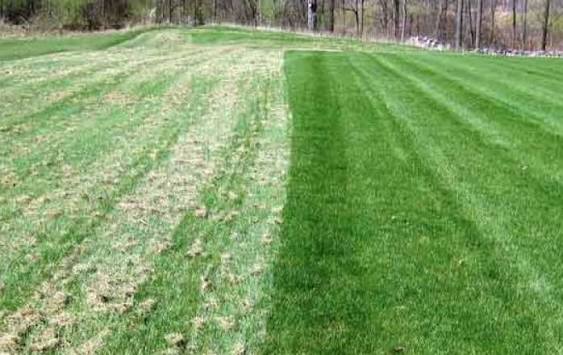
Lawn thatch is normal until it isn't. How to measure yours, what causes buildup, and the honest fix for a spongy Connecticut lawn.
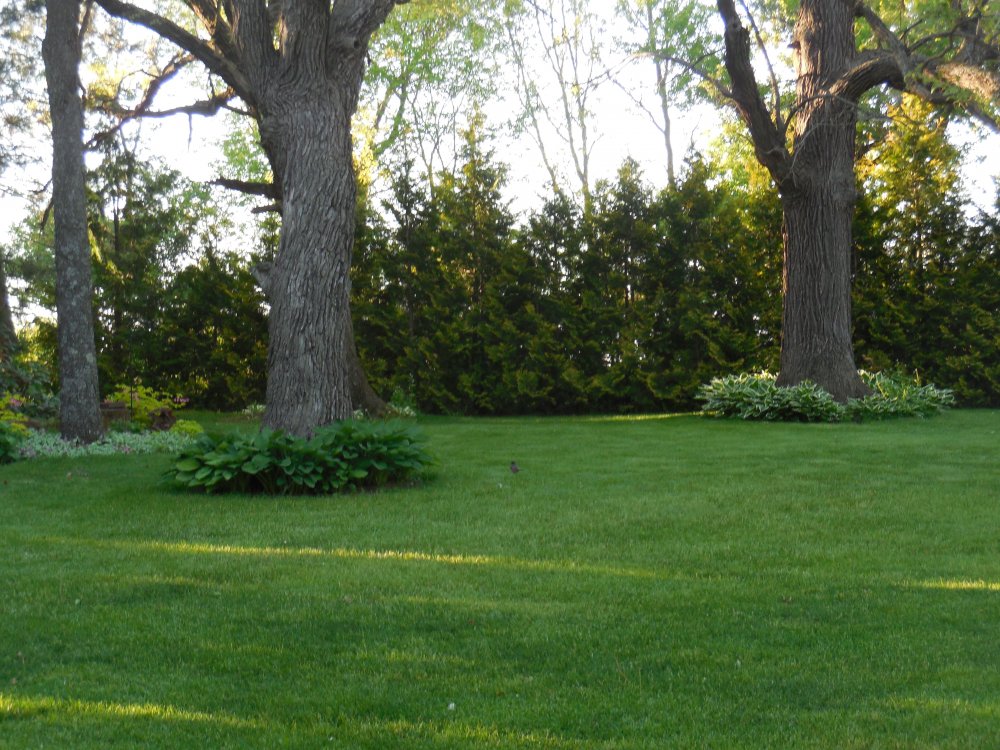
Grass thins under trees when light, water and air movement run short. Here is the seed that holds in shade, and when to plant a bed instead.
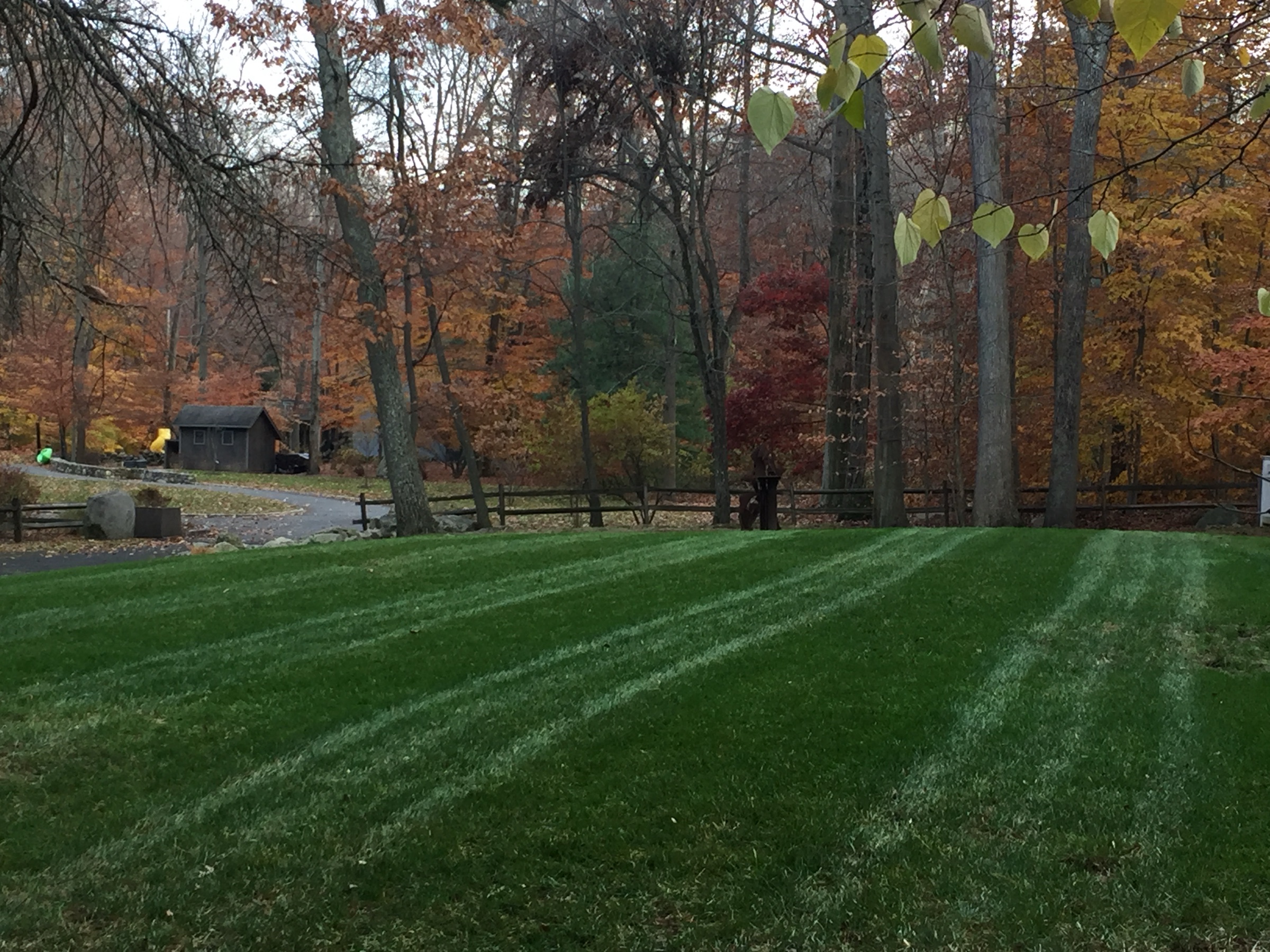
Fall is the most valuable feeding of the year for a Connecticut lawn. Why autumn fertilization beats spring, and when it needs to go down.
How to water your lawn in a Connecticut summer, plus the right mowing height to beat heat, drought and disease. Deep, early, infrequent - here's the plan.
Dethatching and aeration are often confused, but they fix different problems. Here's how to tell which your Connecticut lawn needs — or whether it needs both.
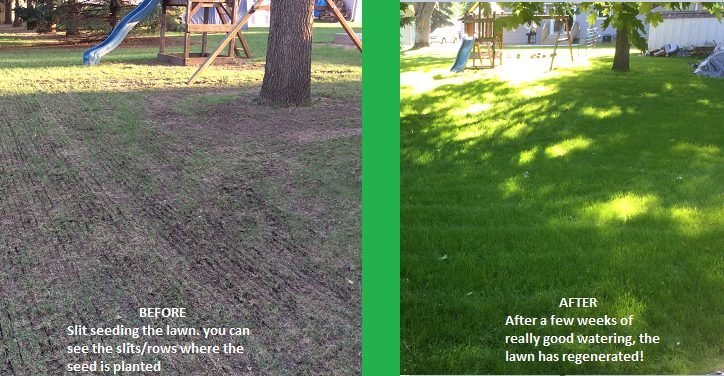
Slice seeding and overseeding both add grass — but only one of them fixes the compacted soil underneath. Here's why we recommend aeration and overseeding.
Liquid aeration sounds easier than mechanical aeration — but does it work? An honest comparison of core, liquid, and spike aeration, and why we only do one.
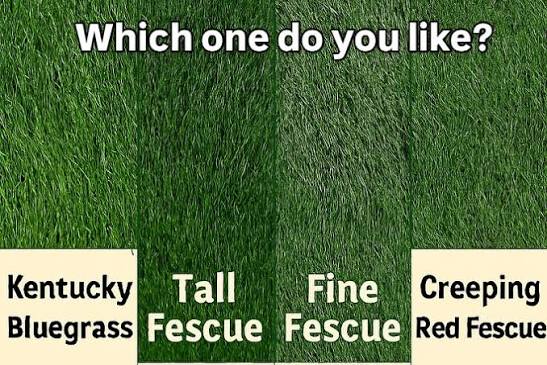
The right grass seed makes or breaks an overseeding job. Here's what actually grows well in Connecticut — fescue, bluegrass, rye — and how to match seed to your yard.
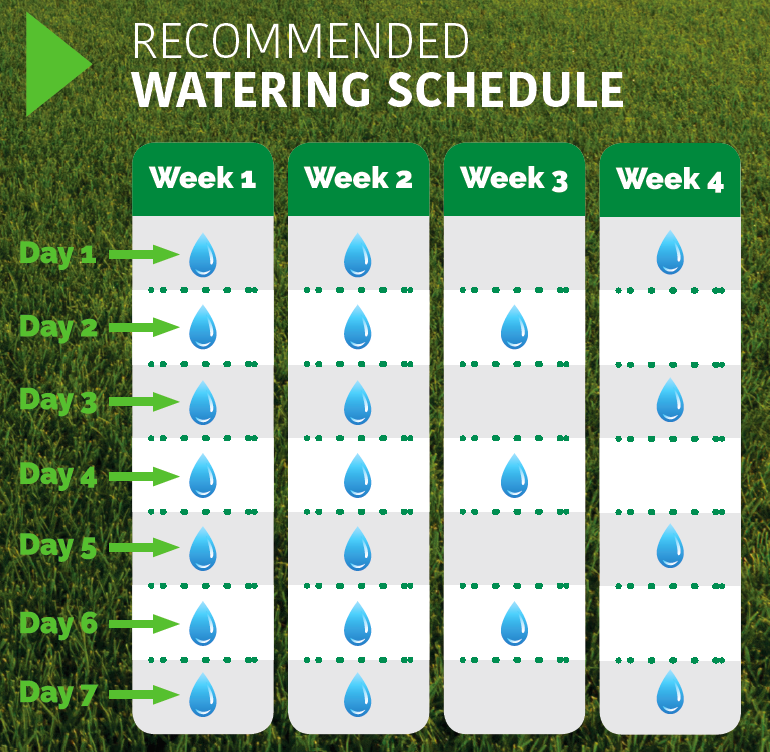
The weeks after overseeding decide the results. Here's the watering, mowing, and care routine that turns fresh seed into a thick Connecticut lawn.
Timing is everything with aeration and overseeding. Here's the Connecticut calendar — why fall beats spring, and the exact window that gives the best results.
Overseeding thickens a thin lawn, but only if the seed reaches soil. Here is how to overseed a lawn step by step, and the timing that makes it work.
Fall overseeding works in Connecticut because soil warmth, cooling air and fading weed pressure line up. Here is why spring seeding rarely holds.
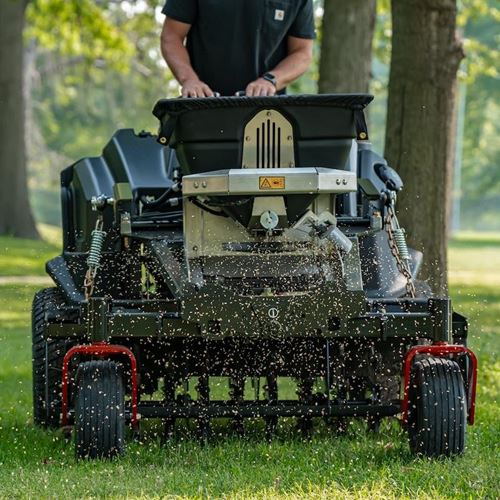
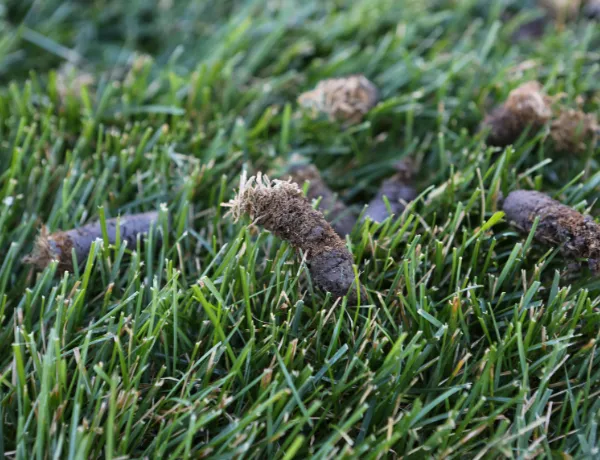
Core aeration is the single most effective thing you can do for a compacted Connecticut lawn. Here's why it works, when to do it, and what results to expect.
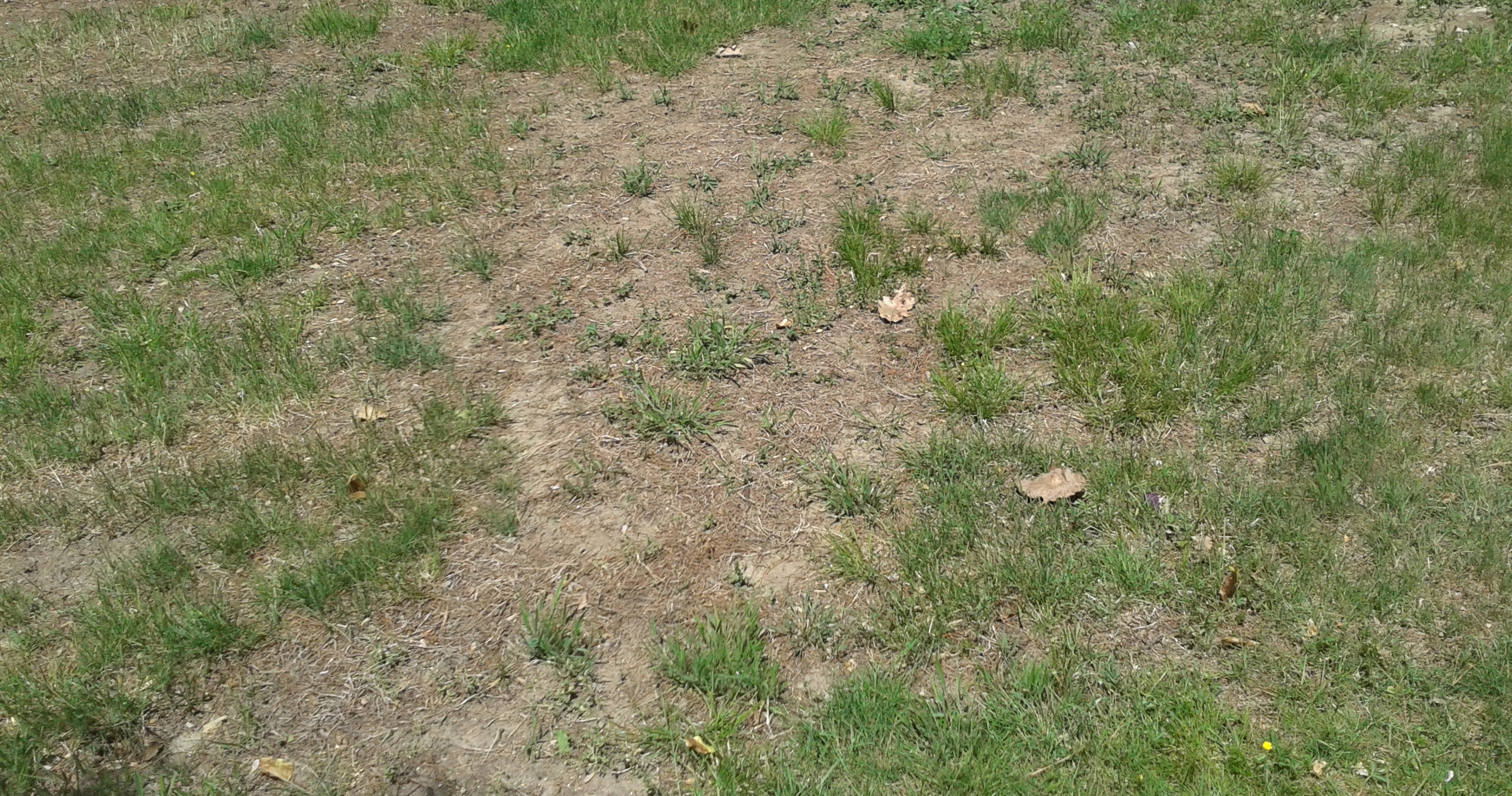
Bare and brown spots in a Connecticut lawn have eight likely causes — from grubs and disease to drought and pet damage. Here's how to tell them apart.