Tell us about your property and we'll put together a contract quote.
Or call (203) 776-8873
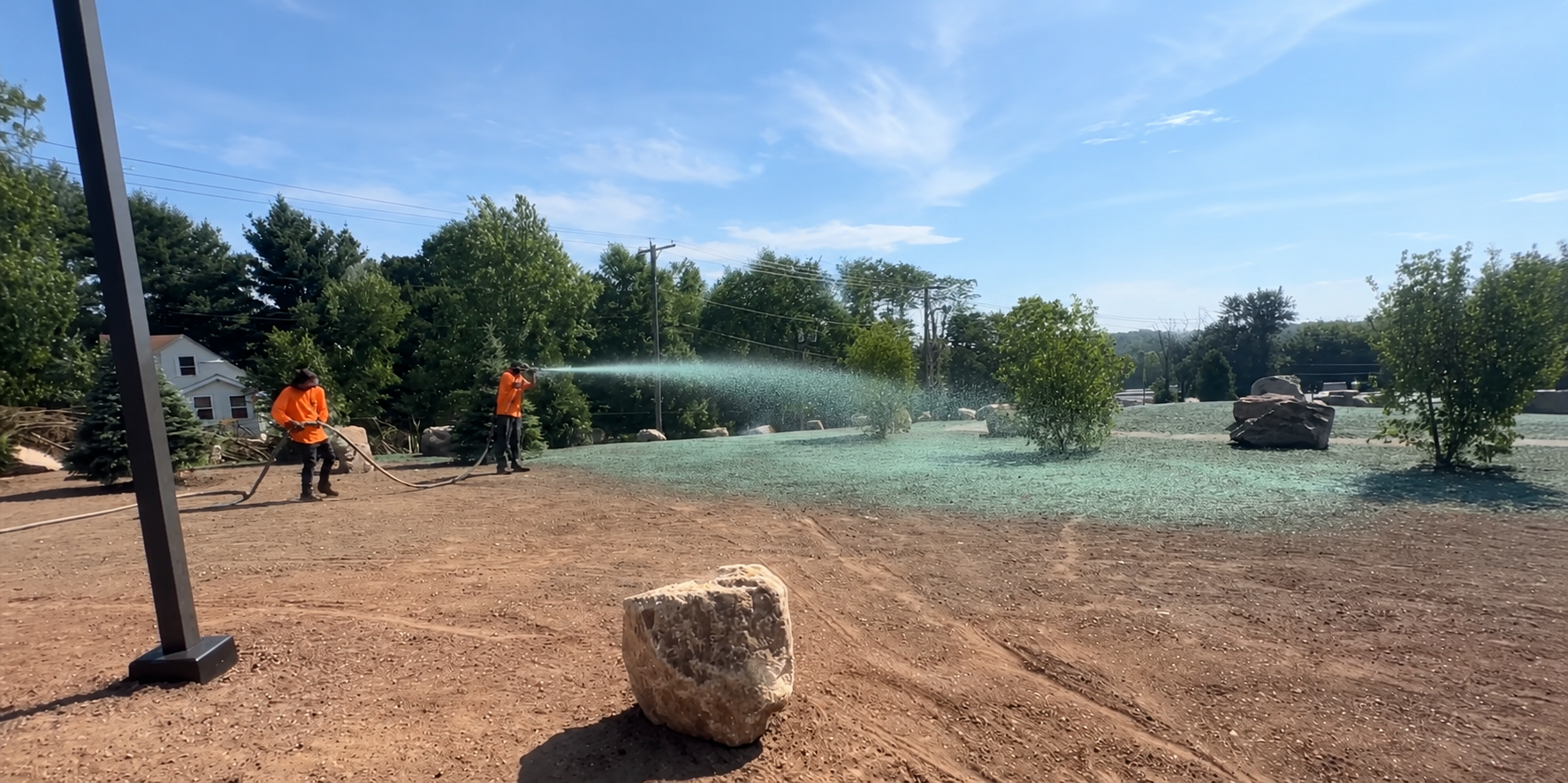
We mix seed, wood mulch, starter fertilizer and a tackifier into a tank, then spray it across prepared ground under pressure.
The mulch is the part that matters. It goes down as a green mat that holds moisture against the seed and stops rain and wind from moving anything. The green is dye — it fades as the grass comes in.
.jpg)
Seed that stays put and stays damp germinates.
The mulch mat holds water at the soil surface between rain and watering. It's the biggest reason hydroseeded lawns come in thicker.
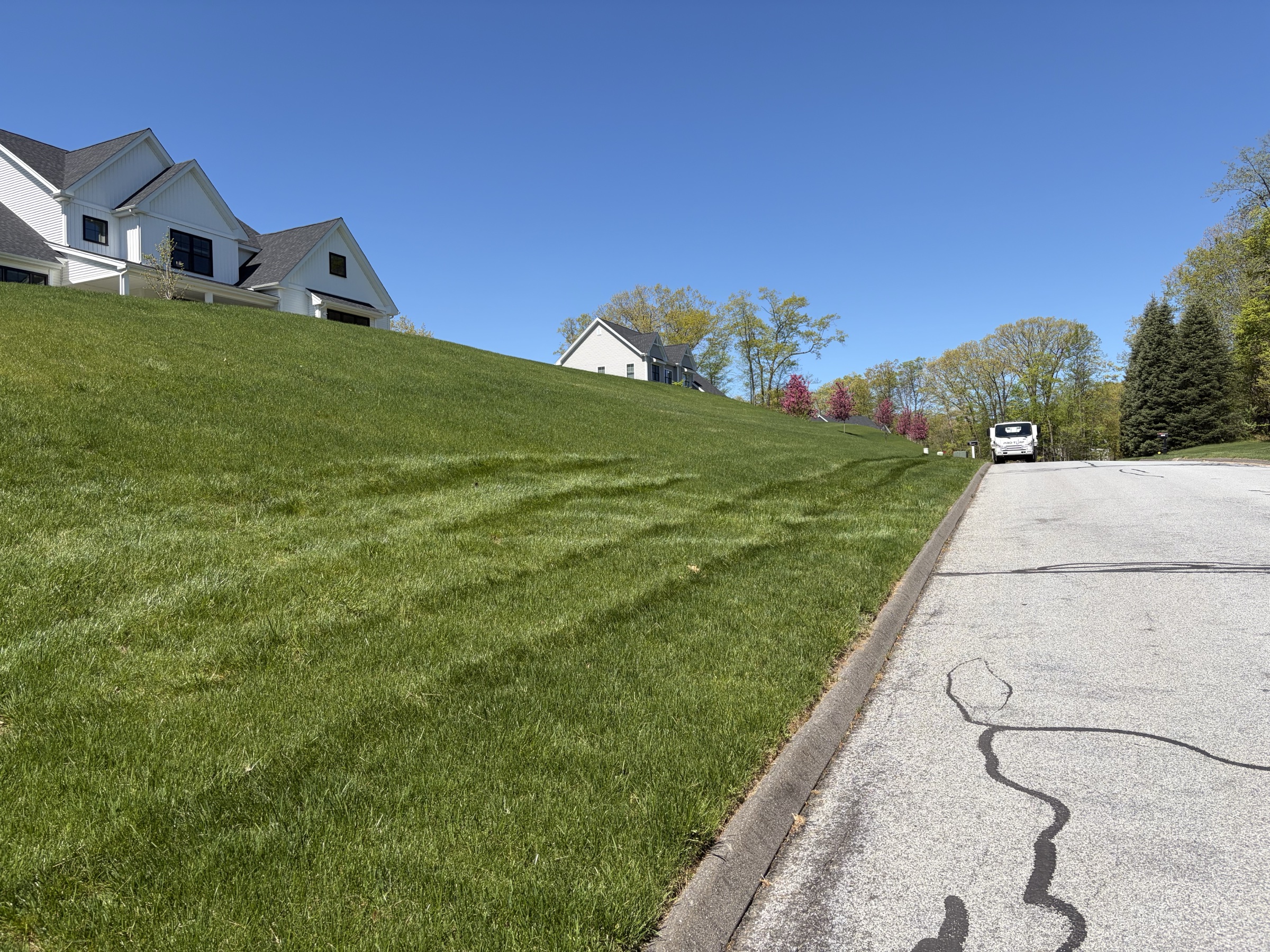
On a slope, dry seed is gone with the first real rain. Hydroseed holds.
Sprayed under pressure across the whole area — consistent density instead of thin patches where the spreader missed.
Starter fertilizer is already in the mix and touching the seed from day one.
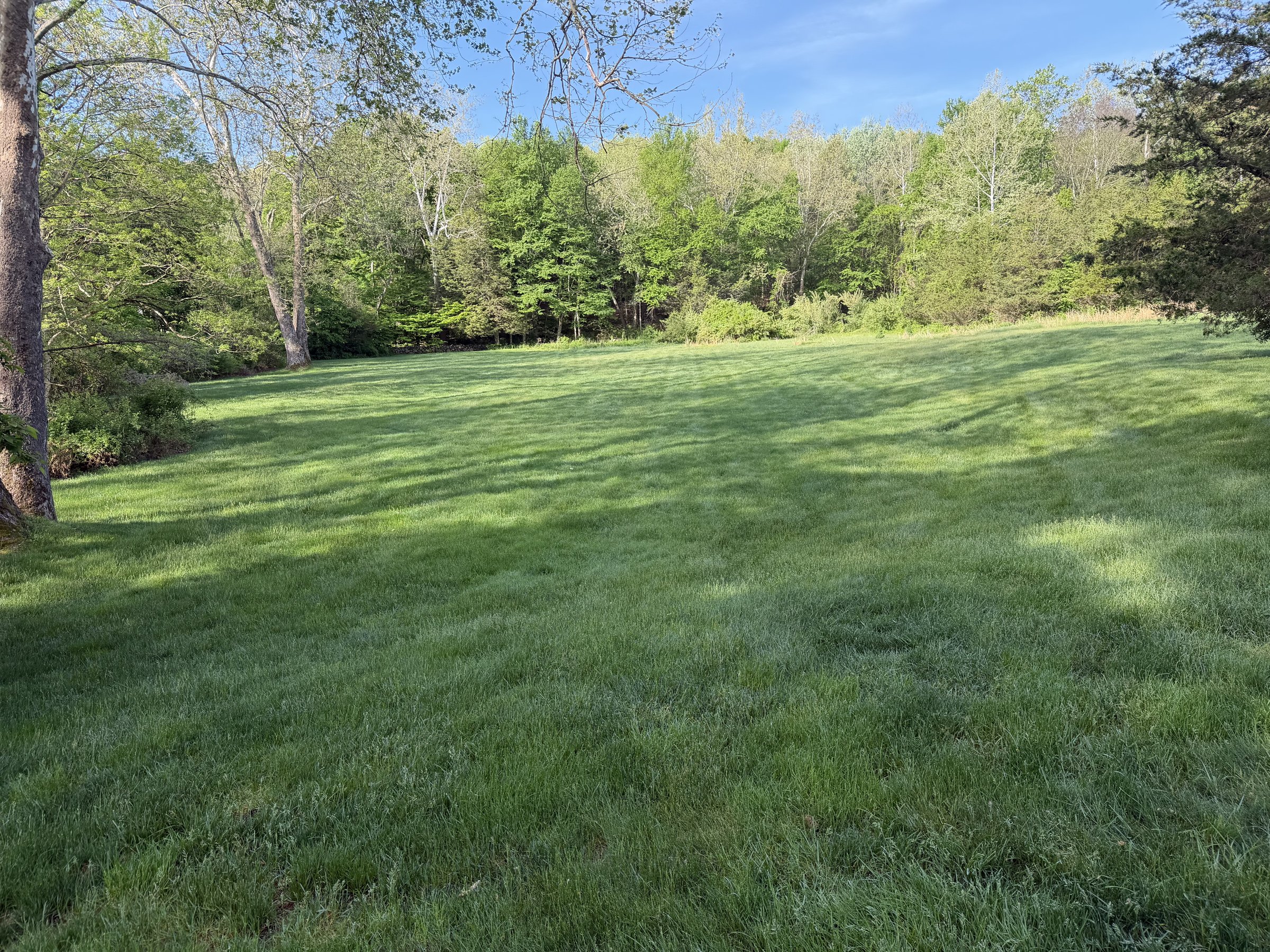
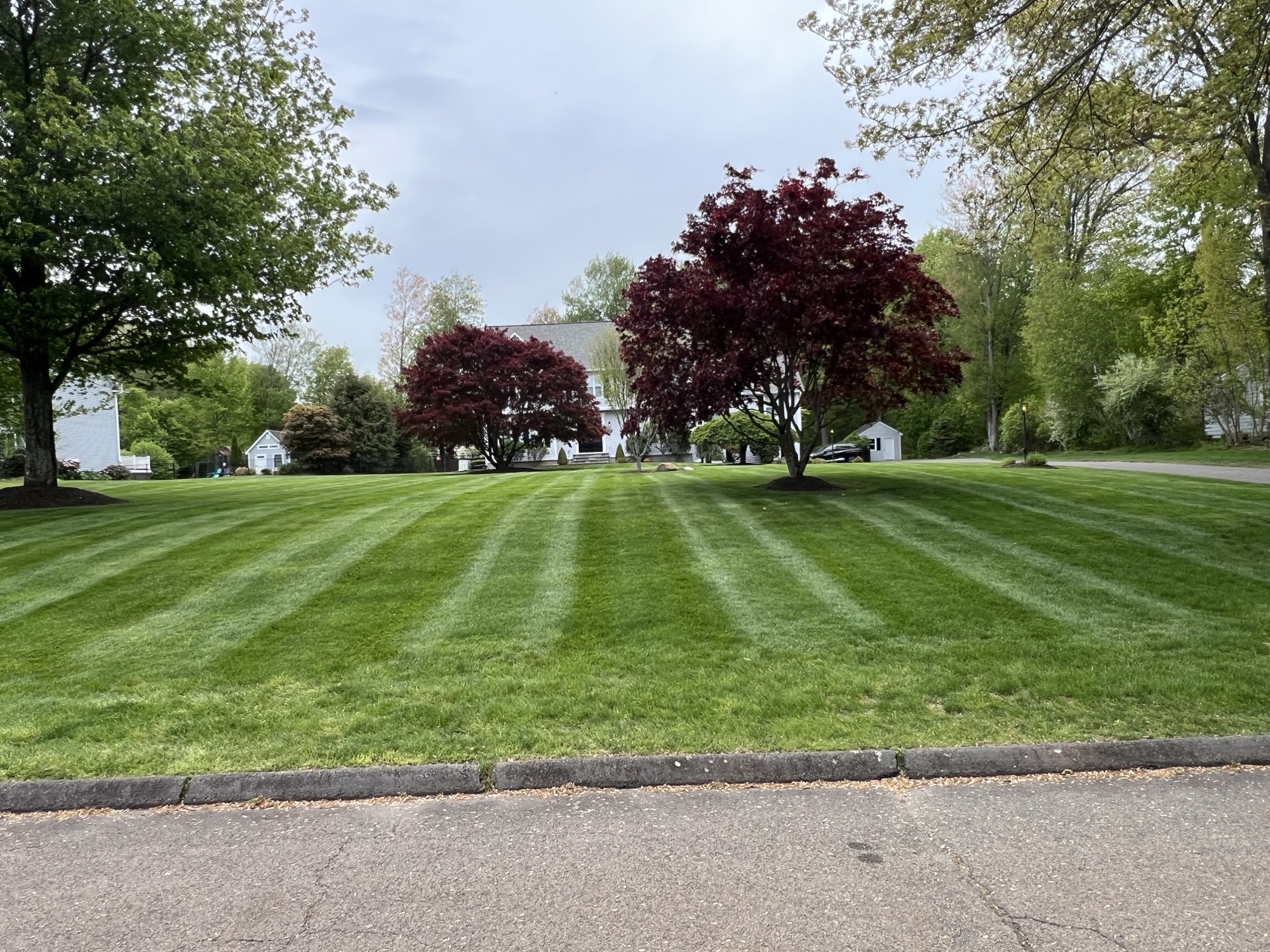
Full lawn renovation, Newtown CT — sprayed in early September, photographed the following June.


Small patches in an otherwise healthy lawn, heavily shaded pockets, and repairs around existing turf are better handled with core aeration and overseeding. We'll tell you which one your property needs rather than defaulting to the machine we own.
→ See aeration & overseedingCost per square foot drops as the area grows. A quarter-acre and a full acre are not the same job priced twice.
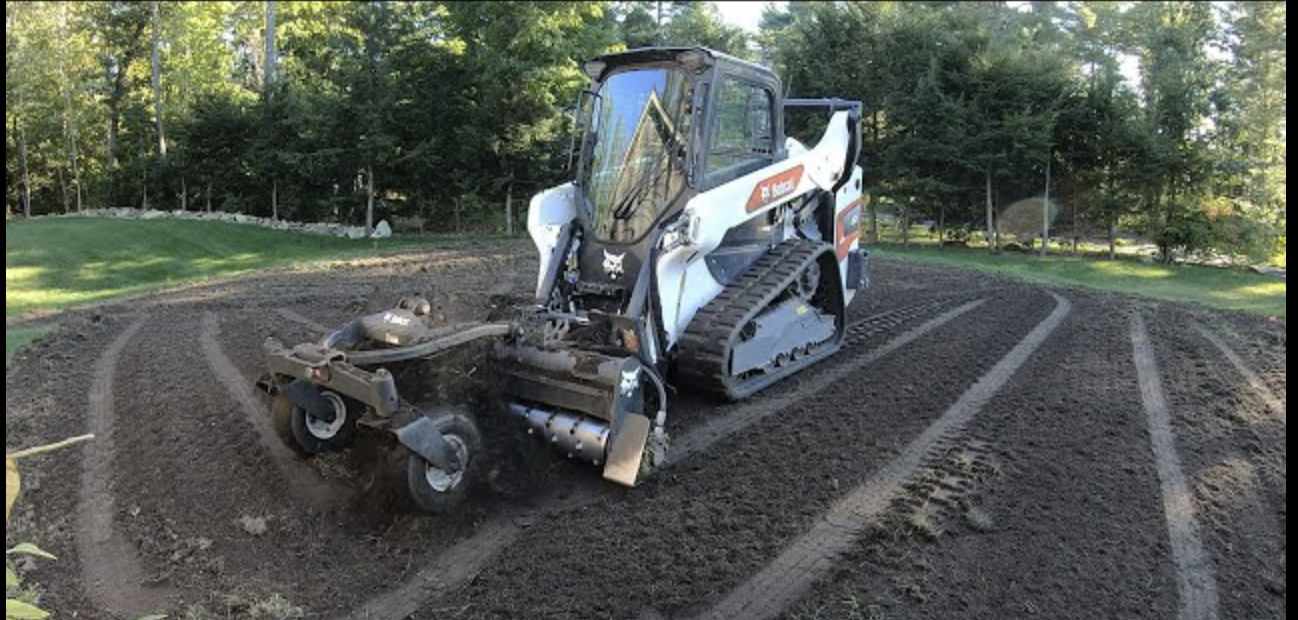
The variable that moves the number most. Ground that's already graded seeds cheaply; ground needing regrading, soil work or debris removal is a bigger job before the tank comes off the truck.
How close the truck can get, and how steep the ground is.
More than dry seed, meaningfully less than sod — and a better long-term lawn than either.
We measure the property and give you a written number. No square-footage guessing over the phone.
| Hydroseeding | Dry seed | Sod | |
|---|---|---|---|
| Cost | Middle | Lowest | Highest |
| Usable lawn | ~6–8 weeks | ~6–8 weeks | Same day |
| On slopes | Holds | Washes out | Holds |
| Seed choice | Any blend for your conditions | Any blend | Whatever the farm grew |
| Coverage | Even | Patchy without care | Even |
| Watering demand | Moderate | High | High early |
Our defaultA lawn rooted into your own soil, in a blend suited to your light and traffic, for well under what sod costs.
When it worksFlat ground you can water attentively. Most people can't, and that's where it fails.
When it winsYou need the lawn usable immediately, a small area, or ground that won't hold seed. We install it through a local partner we stand behind.

The first three weeks decide it.
Warm soil, cool air and reliable moisture give new seed the longest runway before it faces a summer. If your timeline is flexible we'll usually tell you to wait for late August or September — even though that means waiting for our money too.
Keep the mulch mat damp — frequent short cycles, not one long soak. You get a written schedule that changes week to week as roots go down. Germination usually shows in 14–21 days in fall conditions.
Establishment is mostly water, and after we leave the watering is yours. We'll give you the schedule and check in through the window, but we're not selling a guarantee that depends on something we don't control.
Mow first at 3–4 inches with a sharp blade, once the stand is dry enough to walk without leaving prints. A new lawn takes a season to thicken and about a year to be genuinely durable.
→ Lawn care
From Newtown and Danbury through the Valley to the shoreline.
Newtown · Danbury · Bethel · Redding · Ridgefield · Monroe · Trumbull · Easton · Weston · Shelton
Southbury · Oxford · Seymour · Beacon Falls · Woodbridge · Cheshire · Naugatuck · Middlebury
New Milford · Bridgewater · Roxbury · Washington · Litchfield · Morris · Bethlehem · Watertown
Germination in roughly 14–21 days in fall conditions, a bit longer in cool spring soil. You'll see a usable lawn in six to eight weeks and full thickening over the following season.
For most properties, yes. The difference is the mulch mat — it holds moisture and keeps seed in place, which is what actually decides whether seed becomes grass. On flat ground you can water attentively, dry seed is fine. On slopes or large areas it isn't.
It depends on square footage, how much site prep the ground needs, and access. Site prep is usually the biggest variable. We measure the property and give you a written quote rather than guessing over the phone.
Sod if you need the lawn usable immediately, on a small area, or on ground that won't hold seed. Hydroseeding for most everything else — it roots into your own soil, you choose the blend, and it costs meaningfully less.
Fall, for most properties. Warm soil and cool air let seed root before it faces a summer. Spring works but faces heat and crabgrass pressure early.
Light and frequent — keeping the mulch mat damp rather than soaking it. We give you a specific schedule that changes week to week. It's the single thing that decides whether the lawn takes.
Yes — it's one of the places hydroseeding clearly beats dry seed. The tackifier binds the slurry to the soil so it stays put through rain instead of washing to the bottom.
Yes. On most jobs the ground needs work before anything gets seeded — grading, drainage, and soil prep.