Weed
How to Get Rid of Crabgrass in Your Lawn
How to get rid of crabgrass: spot it, learn why it invades thin summer lawns, and the pre-emergent timing that actually stops it on Connecticut lawns.
How to get rid of crabgrass: spot it, learn why it invades thin summer lawns, and the pre-emergent timing that actually stops it on Connecticut lawns.
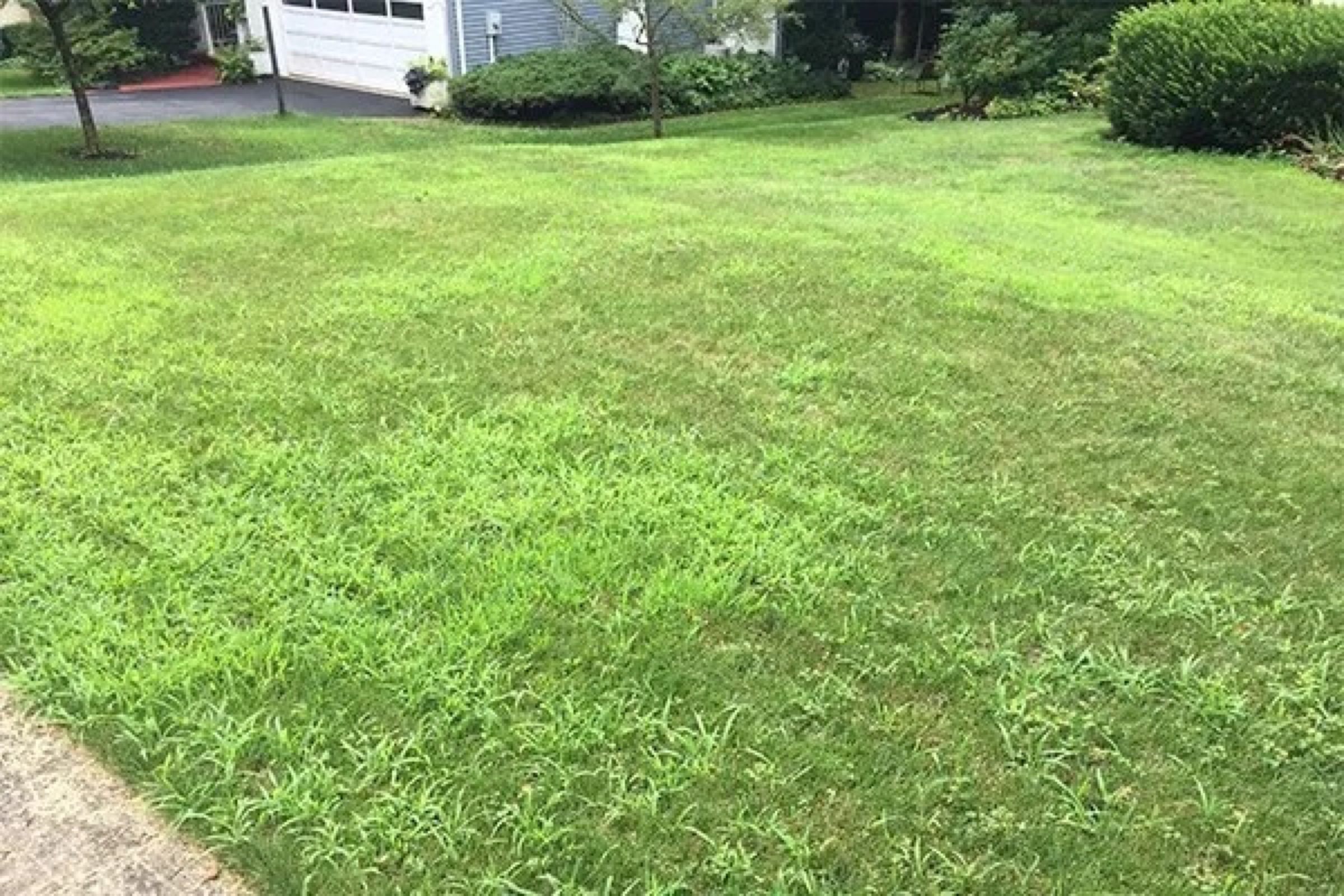
By mid-summer you spot it: coarse, light-green grass sprawling flat across the lawn, worst along the driveway and sidewalk edges. It grows faster than everything around it, throws up seed heads within days of a mow, and by August it has muscled into every thin, sunny spot. That is crabgrass - a summer annual that shows up the same way on Connecticut lawns every year. Here is how to be sure that is what you have, why it took hold, and what actually gets rid of it.
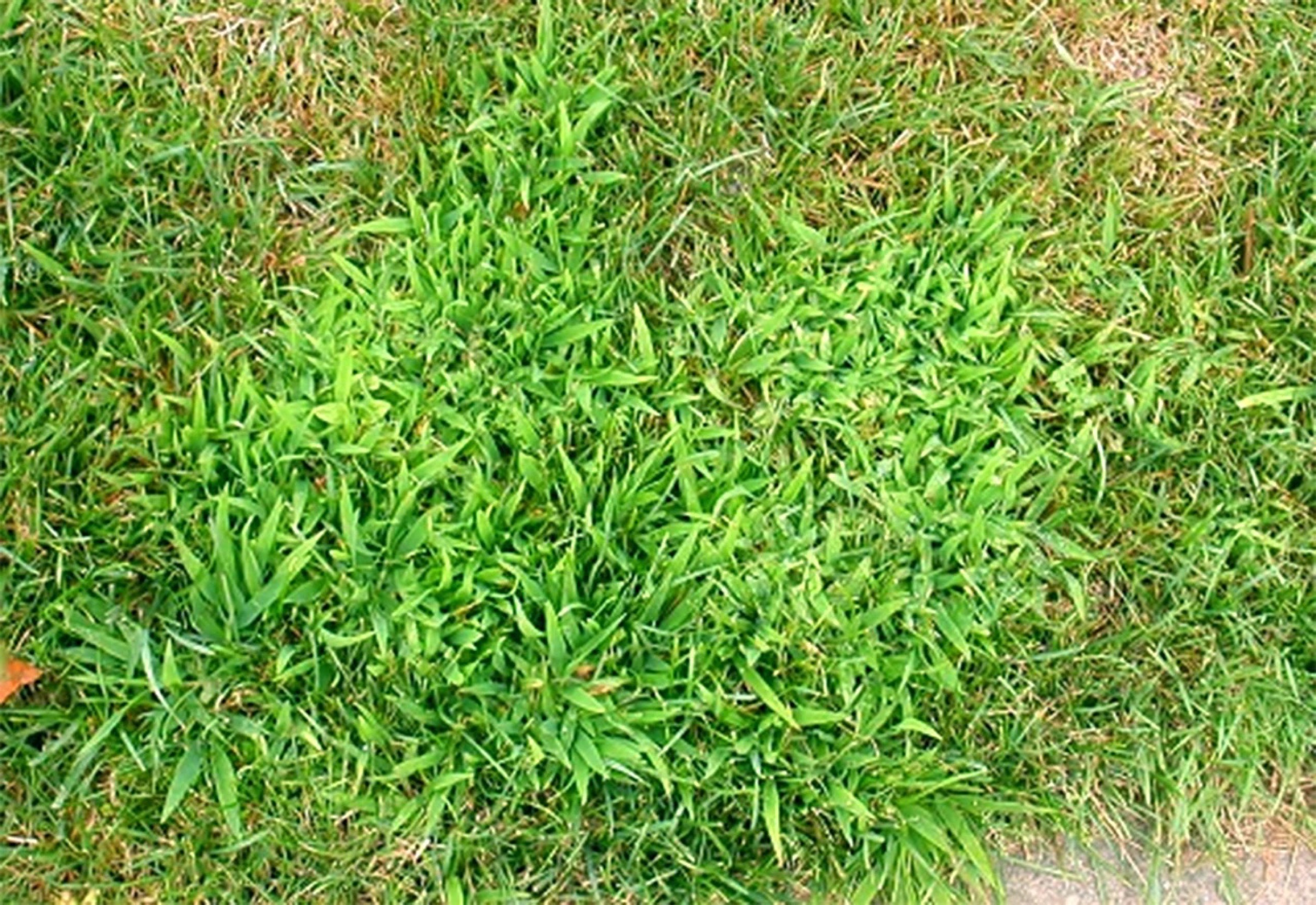
Crabgrass gives itself away by how it grows. It sprawls flat in a low star pattern, spreading outward rather than upward, which conveniently keeps it under the mower blade. The blades carry a yellowish-green cast that stands out against darker, healthy turf, and a single plant throws up finger-like, purplish seed heads that seem to reappear days after every mow. Pull one up and the roots come away in a shallow, tight clump.
The timing is the biggest tell. Crabgrass is a summer annual - it does not push through until the soil warms, usually from late May into June here, and it rarely becomes an obvious eyesore until the heat of July and August. So if you are seeing coarse grass in early spring, it is almost certainly something else. The two most common look-alikes are quackgrass and coarse, clumping fescue, and neither responds to a crabgrass treatment. We walk through how to tell the three apart in our grass ID guide - worth a look before you treat anything, because the wrong fix at the wrong time is wasted money.
How to spot it: Look for flat, sprawling clumps that hug the ground in a star shape, with yellow-green blades that contrast against the surrounding lawn. Check the calendar too - true crabgrass emerges in summer heat, not early spring, and dies off completely at the first hard frost. If the grass is upright, or it greened up early in spring, you are likely looking at a look-alike instead.
Crabgrass is an opportunist. Its seeds lie dormant in the soil until the ground warms past the low 50s, then germinate wherever they find bare soil and sun. That is why it concentrates in the thin, stressed strips of lawn along sidewalks, driveways, and south-facing edges, where reflected heat bakes the soil and the turf is already struggling. A thick, healthy lawn shades the soil and never gives the seed the light and open ground it needs; a thin or patchy one is an open invitation.
The other reason it keeps coming back is math. A single crabgrass plant can produce thousands of seeds before it dies in fall, and those seeds sit in the soil waiting for next summer. Ignore it one season and you are seeding the problem for the next - which is exactly why timing the control matters so much.
With crabgrass, timing is everything, and being honest about it saves you money. The most reliable control is a pre-emergent, applied in spring before the seeds germinate. It forms a barrier in the top layer of soil that stops new crabgrass from establishing. The catch is the window: it has to go down before germination - once crabgrass is up, a pre-emergent does nothing. Applied on time, it is the single most effective step.
If crabgrass is already growing, a post-emergent can knock it back while the plants are still young and small, roughly June into July. Once it has matured into a big, sprawling clump in late summer, selective control gets unreliable - and here is the part most companies will not tell you: crabgrass is an annual, so it dies on its own at the first hard frost. Spraying a dying plant in September is usually wasted effort. At that point the smarter move is to plan for next year rather than chase this year's plant.
The durable fix is a thick lawn. Because crabgrass needs sun on bare soil to germinate, a dense canopy is the best long-term prevention there is. Core aeration and overseeding in the fall closes the gaps and thin spots crabgrass exploits, and a properly fed lawn stays dense enough to crowd it out. If your lawn is already showing bare and thin patches, our guide to bare and brown spots covers the other causes worth ruling out.
Crabgrass is predictable, and that is what makes it controllable. Pro Turf times pre-emergent to Connecticut soil temperatures rather than the calendar alone, so the barrier is down before germination, not after. That work is built into our weed control and fertilization program, alongside the feeding that keeps turf dense and the fall aeration and overseeding that closes the openings crabgrass needs. If crabgrass keeps winning the same corners of your lawn every summer, getting ahead of next spring's germination is the move. Pro Turf Lawn Care serves homeowners across Fairfield, Litchfield, and New Haven counties, and we will match the timing and treatment to your lawn. Request your online quote here.
Our licensed team will identify it and build the right plan for your property across Fairfield, Litchfield & New Haven counties.
See our weed control programRequest your quote →