Pest
How to Get Rid of Moles in Your Lawn
How to get rid of moles in your lawn: what the tunnels and mounds mean, why moles move in, and what actually works to move them out - and what doesn't.
How to get rid of moles in your lawn: what the tunnels and mounds mean, why moles move in, and what actually works to move them out - and what doesn't.
You walk out one morning and the lawn looks like something drove through it underground - raised ridges snaking across the grass, and here and there a little volcano of soil pushed up overnight. That is a mole. Moles are one of the most frustrating lawn problems we get asked about, partly because the damage looks alarming and partly because so much of the usual advice for getting rid of them simply does not work. Here is what is actually going on under your lawn, and what moves a mole out for good.
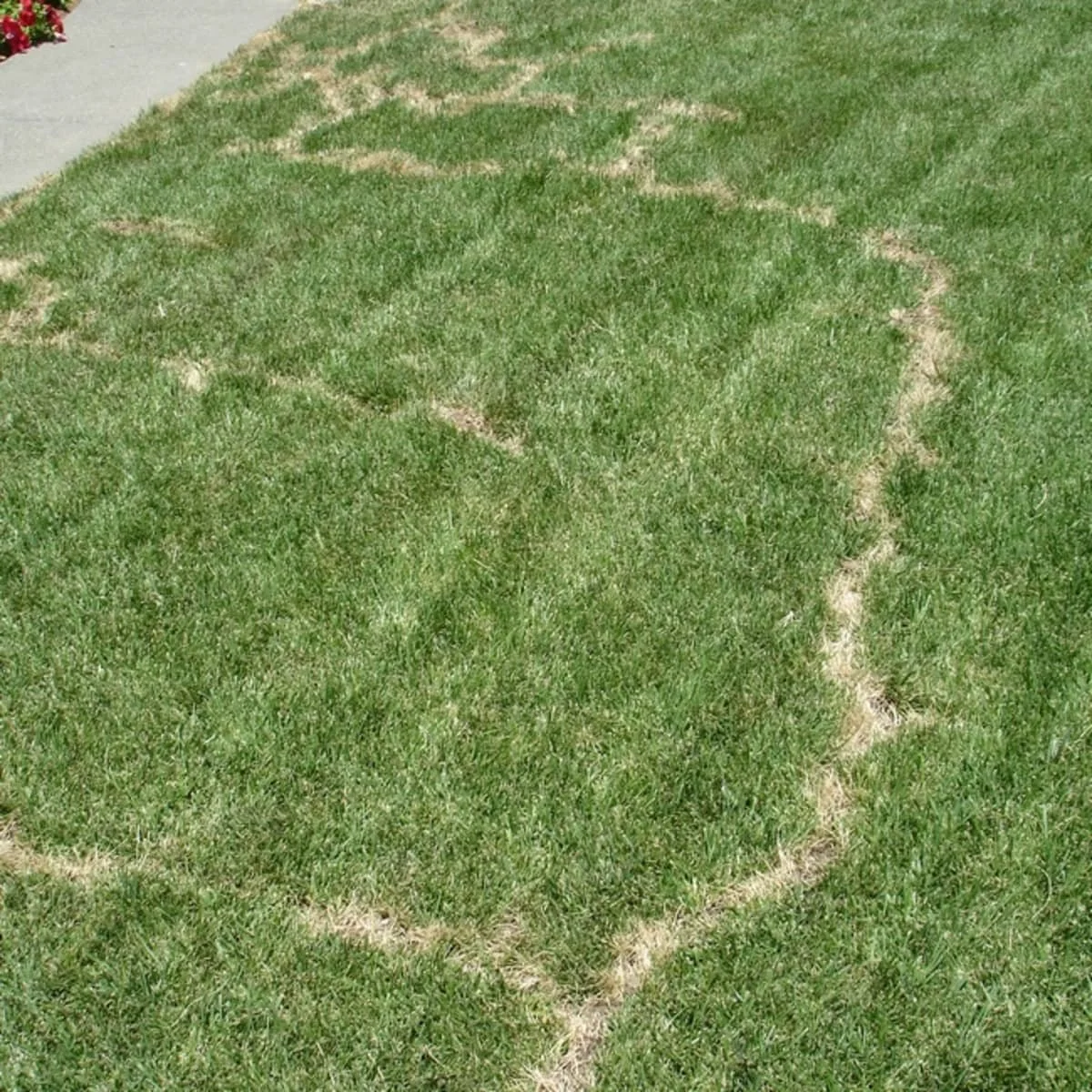
A mole is not a rodent. It is a small, insect-eating mammal that lives almost entirely underground, and it is not eating your grass. What a mole is really after is earthworms - they make up the bulk of its diet - along with grubs, beetle larvae, and other soil insects. That earthworm point matters more than anything else on this page: a lawn does not need a grub problem to attract a mole. Moist, worm-rich soil is enough on its own. The damage you see is mechanical: as a mole tunnels through the top few inches of soil chasing food, it lifts and separates the turf from the ground beneath, so the grass dries out and yellows along the runs. The mole never touches the blade. It just wrecks the root zone getting where it is going.
That distinction matters, because the fix for a plant-eating pest is nothing like the fix for a tunneling insectivore.
Homeowners routinely mix these two up, and they call for opposite responses. Moles tunnel and push up soil; they do not eat plants. Voles are small rodents that live at the surface and do eat roots, stems, and bark - and they will happily travel through a mole's abandoned tunnels, which is how moles get blamed for damage they did not cause.
How to spot it: Look at the ground, not just the grass. Moles leave two signs - spongy raised ridges where a surface tunnel runs, and volcano-shaped mounds of loose soil (dirt pushed up from the center, no hole in the middle). If instead you see narrow, pencil-width runways worn into the surface with open holes, and chewed-off grass or gnawed bark at plant bases, that is voles, and the plan is different.
Moles go where the food is, and in a healthy Connecticut lawn that food is mostly earthworms. A lawn with moist, loose, worm-rich soil is prime habitat - and that describes a lot of well-kept yards here, especially in spring and fall when the ground is soft and workable. A heavy grub population can make a lawn even more attractive, so grubs and moles sometimes show up together. But do not assume grubs are the cause. Plenty of lawns have moles with no grubs at all, drawn in by earthworms alone. If Japanese beetles have been active nearby, their larvae become the grubs that add to the food supply - but they are rarely the whole reason a mole is there.
Start with the things that do not work, because they cost time and money every season. Chewing gum, glass, mothballs, castor-bean and ultrasonic or vibrating stakes are the popular home remedies, and none of them reliably clear a mole. Castor-oil repellents can make an area temporarily less appealing, but they do not remove the animal and the effect fades. Flooding tunnels rarely reaches the deep runways.
Two approaches get talked about, and they are not equal. The one that reliably removes a mole is trapping. A properly set trap on an active runway is the most dependable way to clear a single persistent animal, and it is usually the fastest route back to a quiet lawn. The second - reducing the food source with grub control - is where most of the confusion comes from. If grubs are part of what is feeding a mole, bringing them down can make the lawn a little less appealing. But moles live mainly on earthworms, and you are not going to clear the earthworms out of good soil, so grub control on its own frequently does not move a mole at all. We see it all the time: a lawn on grub control, no grubs left in it, and the moles are still tunneling - because the earthworms never went anywhere. Grub control is worth doing to protect your roots. Just do not count on it as a mole cure.
Let us be straight about what does what. For a mole that is actively tunneling, targeted trapping on the live runways is the step that actually removes it - that is the fix. Pro Turf also builds grub control into the seasonal program, timed before the eggs hatch, because protecting your roots from grubs is worth it in its own right and, where grubs are part of the draw, it takes one food source off the table. What grub control will not do on its own is guarantee a mole leaves, because earthworms keep the lawn on the menu - and we would rather tell you that up front than sell you a treatment as a mole cure it is not. Pro Turf serves homeowners across Fairfield, Litchfield, and New Haven counties. Request your online quote here.
Our licensed team will identify it and build the right plan for your property across Fairfield, Litchfield & New Haven counties.
Request your quote →