Disease
Red Thread Lawn Disease in Connecticut: Why It Appears & How to Fix It
Red thread is one of the most common lawn diseases in Connecticut — those ragged, pinkish patches. Here's what causes it and how to fix it for good.
Red thread is one of the most common lawn diseases in Connecticut — those ragged, pinkish patches. Here's what causes it and how to fix it for good.
If ragged, pink-tinged patches have started creeping across your yard during a cool, wet stretch, you're almost certainly looking at red thread — one of the most common lawn diseases we treat on Connecticut lawns. It looks alarming, especially on a yard you've worked hard to keep nice, but red thread is rarely the disaster it appears to be. Understanding why it shows up is the key to clearing it and keeping it from coming back.
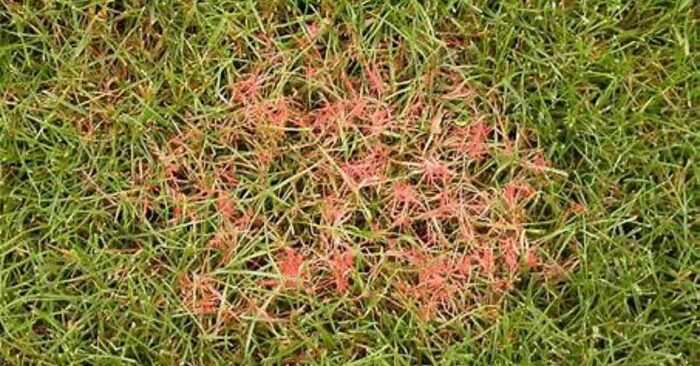
Red thread is a fungal disease (caused by Laetisaria fuscata) that lives in the leaf tissue of cool-season lawns — the fine fescues, ryegrasses, and bluegrasses that make up most yards across Fairfield, Litchfield, and New Haven counties. It gets its name from the thin, coral-pink to reddish threads it produces, which extend from the tips of infected grass blades and bind them together. Those threads are the fungus itself, and once you know to look for them, red thread becomes one of the easier lawn problems to identify with confidence.
Red thread thrives in exactly the conditions a Connecticut spring and fall deliver: stretches of cool, damp, overcast weather with temperatures in the 60s and 70s and long periods of leaf wetness from dew, drizzle, or overnight humidity. That's why we see it most in May and June, and again in September and October.
But weather only sets the stage. The single biggest driver is low nitrogen. Red thread is, more than anything, a sign of a hungry lawn. When turf is growing slowly because it's short on nutrients, it can't outgrow and shed the infection the way a well-fed lawn does. That's why you'll often see red thread flare up on lawns that haven't been fed on a consistent schedule, while a neighbor's lawn on a steady program stays clean through the same damp week. Compacted soil, heavy thatch, and poor air movement add to the problem by keeping the grass wet longer.
Red thread tends to appear as irregular, roughly circular patches of tan to pinkish grass, usually somewhere between a few inches and a foot across. From a distance the lawn can look blotchy or water-stained. Up close is where it gives itself away.
How to spot it: Look for fine red, coral, or pink threads extending past the tips of the grass blades — easiest to see in early morning when the lawn is still wet with dew. In humid weather you may also notice small pink, cotton-candy-like tufts of fungal growth tangled in the patch. The affected blades dry out and bleach, but the patches stay shallow and ragged-edged rather than forming the clean rings of other lawn diseases.
Here's the reassuring part: red thread is a foliar disease, meaning it attacks the leaf blades but not the crowns or roots of the plant. It almost never kills the lawn outright. Once growing conditions improve and the grass starts pushing new growth, the affected areas green back up and the patches fade. The damage is cosmetic and temporary — but persistent red thread is a clear signal that your lawn's nutrition and overall health need attention, and that's worth acting on.
Because red thread is driven by low fertility, the most effective fix is also the simplest: feed the lawn. A balanced fertilization restores the nitrogen the turf needs to grow through and shed the infection, and in most cases that alone clears it within a few weeks. A consistent, properly timed feeding program is the best long-term insurance against it returning each spring and fall.
A few cultural habits help too. Water deeply but infrequently, and do it early in the day so the grass dries before evening rather than staying wet overnight. Keep your mower blades sharp and collect clippings while red thread is active to avoid spreading it. Over the longer term, addressing compaction and thatch through aeration and overseeding improves airflow and drainage, which makes your lawn far less hospitable to the disease. Where red thread is severe or keeps recurring despite good fertility, a targeted fungicide applied during the active window can knock it back — but for the vast majority of Connecticut lawns, sound nutrition and watering solve it.
Red thread is one of those problems that's easy to misread and easy to fix once you know what's driving it. If pink, ragged patches keep showing up on your lawn, it's usually your turf telling you it's hungry — and that's exactly the kind of thing a well-built program is designed to prevent. Pro Turf Lawn Care knows the timing, the soils, and the weather patterns that bring red thread to lawns across Fairfield, Litchfield, and New Haven counties, and we'll build a plan that keeps your grass fed, healthy, and resilient through every damp stretch. Request your online quote here.
Our licensed team will identify it and build the right plan for your property across Fairfield, Litchfield & New Haven counties.
See our disease treatment programRequest your quote →