Pest
Chinch Bugs in Connecticut Lawns: How to Identify and Control Them
Chinch bugs quietly kill Connecticut lawns in the summer heat, and the damage looks just like drought. Here's how to spot chinch bugs and stop them.
Chinch bugs quietly kill Connecticut lawns in the summer heat, and the damage looks just like drought. Here's how to spot chinch bugs and stop them.
Every summer we get the same call: a Connecticut lawn that was thriving in June suddenly develops yellow, straw-colored patches in July that spread no matter how much the homeowner waters. Most people assume it's drought or heat stress. Very often, the real culprit is chinch bugs — one of the most damaging and most misdiagnosed pests we see on Connecticut lawns. Because their damage mimics dry weather almost perfectly, they can quietly wipe out large areas before anyone realizes an insect is involved.
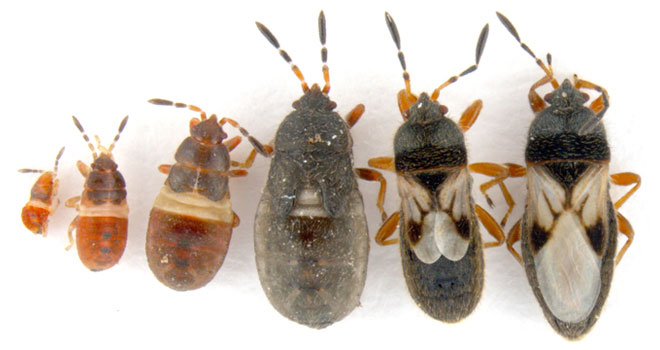
The pest at work here is the hairy chinch bug, a tiny insect that feeds on cool-season grasses throughout the Northeast. Adults are only about a sixth of an inch long, black with white wings folded across their backs. The young nymphs are even smaller and, when they first hatch, a bright red-orange with a pale band across the middle — turning darker as they mature. They feed by inserting a needle-like mouthpart into grass blades and stems, sucking out sap while injecting a toxin that blocks the plant's ability to move water. The result looks exactly like drought, which is precisely why chinch bugs fool so many homeowners.
Chinch bugs love heat and sun. They're most active during the hot, dry stretches of July and August, and they concentrate in the sunniest, driest parts of a lawn — south-facing slopes, and the strips of turf along driveways, sidewalks, and foundations where reflected heat keeps the soil warm. Lawns with a thick thatch layer are especially vulnerable, because thatch gives the bugs a sheltered place to live and breed. A lush spring lawn can host a population that explodes once the weather turns hot, so the damage often seems to appear out of nowhere at the peak of summer.
Chinch bug damage starts as small patches of yellowing grass that quickly turn brown and die. The giveaway is that the patches keep expanding outward, and — unlike genuine drought stress — they don't bounce back when you water. If your irrigation is running or it's rained recently and certain areas still refuse to green up, and those areas are the hottest, sunniest parts of the yard, chinch bugs should be near the top of your suspect list.
How to spot it: Get down on your hands and knees at the edge of a damaged patch, where the dying grass meets the green, and part the turf right at the soil line. Chinch bugs are small but visible, and they scatter quickly when disturbed — look for black-and-white adults and smaller reddish nymphs moving through the thatch. A simple check is the float test: push a bottomless can a couple of inches into the soil at the patch edge, fill it with water, and wait a few minutes; chinch bugs will float to the surface.
Three very different problems can all leave brown patches in a summer lawn, and telling them apart changes the fix entirely. Drought damage greens back up within a few days of good watering; chinch bug and grub damage do not. Grubs feed on roots, so grub-damaged turf lifts away from the soil like a loose carpet and you'll find white, C-shaped larvae underneath. Chinch bugs feed above ground, so the turf stays rooted, there are no grubs beneath it, and you'll instead find the small insects among the blades and thatch. When you're not certain, that distinction — rooted turf with insects in the canopy versus loose turf with grubs below — is the fastest way to know what you're dealing with.
Chinch bugs are very treatable once they're correctly identified — the trick is catching them before they've burned through a large section of lawn. Pro Turf scouts the vulnerable, sun-baked areas of your property through the summer and applies a targeted insect control at the first sign of feeding, stopping the population before it spreads. Just as important is the long game: a well-fed, properly watered lawn with a healthy root system and reduced thatch is far more resilient to chinch bugs and recovers faster from any damage they do cause. If summer patches are creeping across your lawn and water isn't fixing them, don't wait for it to spread. Pro Turf Lawn Care serves homeowners across Fairfield, Litchfield, and New Haven counties, and we'll pinpoint exactly what's happening in your yard and put the right plan in place. Request your online quote here.
Our licensed team will identify it and build the right plan for your property across Fairfield, Litchfield & New Haven counties.
See our fertilization & grub control programRequest your quote →